 English
Arobid TradeXpo: A “Made in Vietnam” solution shaping new standards for digital trade promotion
The strong development of the digital economy is transforming the way businesses produce, distribute, and access global markets. As technology, data, and AI become the pillars of modern commerce, trade promotion activities are also required to adapt to a new environment—one where speed, cost efficiency, and sustainability increasingly determine competitive effectiveness.
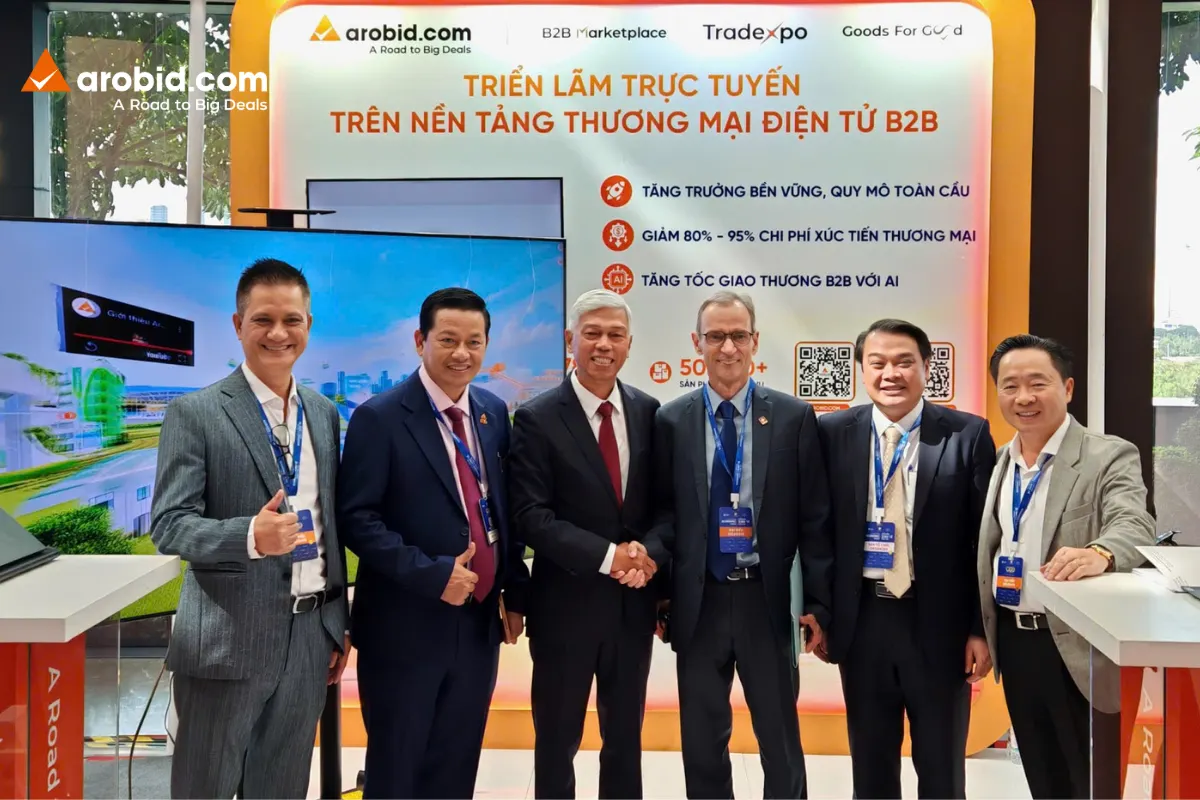
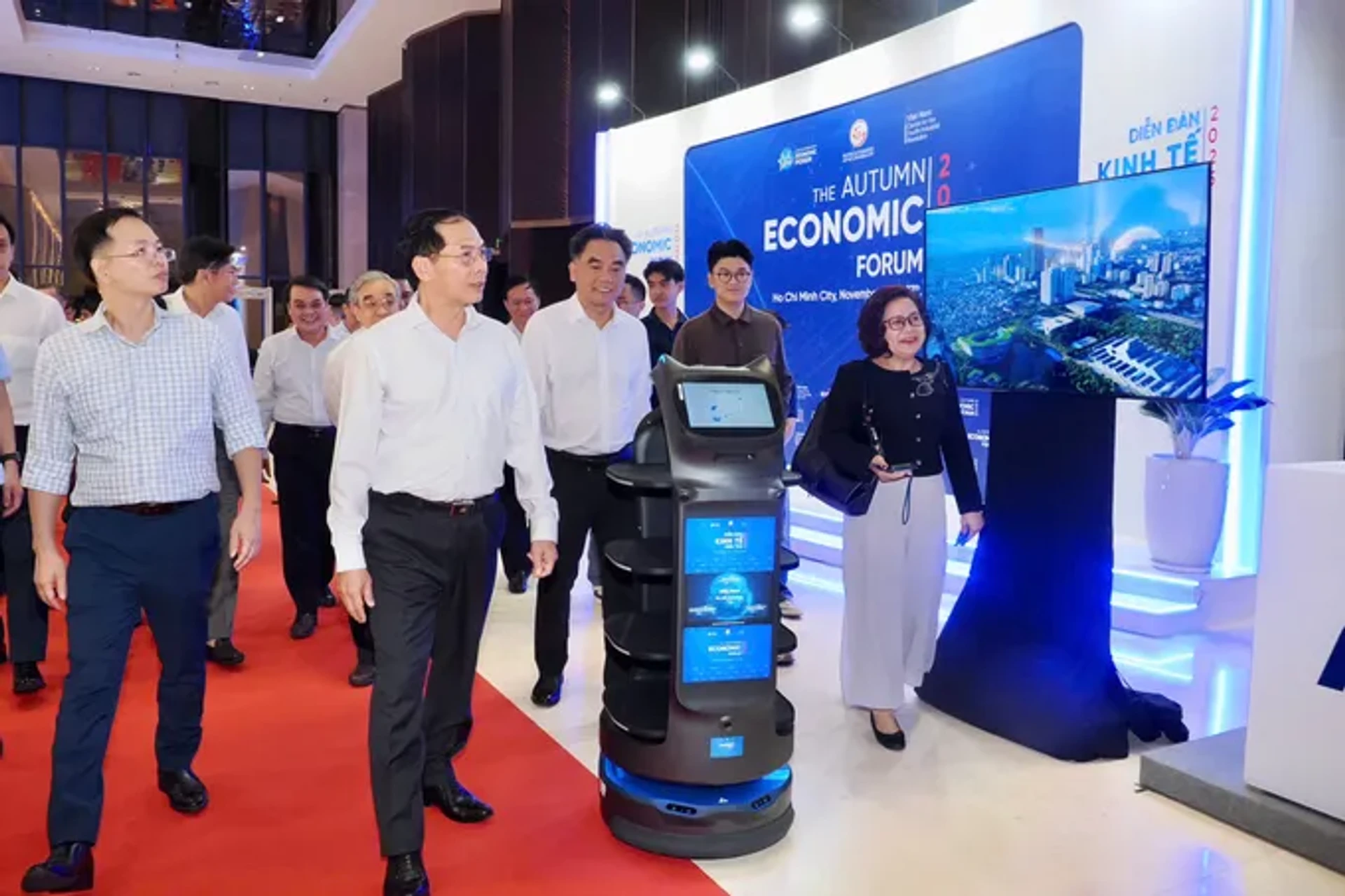
At the Autumn Economic Forum 2025 on the morning of November 25, the Arobid TradeXpo virtual exhibition platform drew special attention when introduced as a pioneering “Made in Vietnam” model that brings a new approach to trade promotion in the digital environment.
Technology replacing cost: a major advantage for Vietnamese businesses
One of the most notable advantages of TradeXpo is its ability to maximize cost optimization. When joining digital exhibitions, businesses no longer need to pay for physical booth space, product transportation, booth design, or travel and accommodation costs. As a result, they can save 80–95% of expenses compared to traditional exhibitions—an especially important advantage for small and medium-sized enterprises, which account for more than 97% of all businesses in Vietnam.
Mr. Trần Văn Chín, Chairman of the Board of Arobid Technology Corporation, emphasized that the platform aims to solve four key challenges of trade promotion: reducing costs, shortening event preparation time, expanding business connections, and increasing transaction capacity through AI technology.
.png)
In addition to cost savings, event preparation time is also shortened from 3–6 months to just 6–12 days, helping businesses respond more quickly to market fluctuations and avoid missing business opportunities during periods of rapidly shifting demand.
Unlimited trade experience with an AI-integrated B2B ecosystem
Arobid TradeXpo is built as an AI-driven virtual exhibition ecosystem where businesses can display products 24/7 and reach buyers through data systems and advanced analytical algorithms. On this platform, trade activities are expanded more flexibly thanks to livestream features that connect sellers and buyers directly, while all buyer behaviors are analyzed in real time, allowing businesses to understand interest levels and actual demand. Based on this data, TradeXpo automatically recommends suitable buyers according to industry, scale, and import capabilities, helping businesses optimize connections without spending time manually screening leads. As a result, businesses can both maintain production and carry out trade promotion simultaneously, instead of suspending operations to participate in physical trade fairs as before.
Statistics show that TradeXpo has organized more than 17 online events, featuring 1,770 booths, over 6,500 products, and more than 1.2 million visits—demonstrating growing demand for the digital exhibition model.
A practical solution highly appreciated by City leadership and the Ministry of Industry and Trade
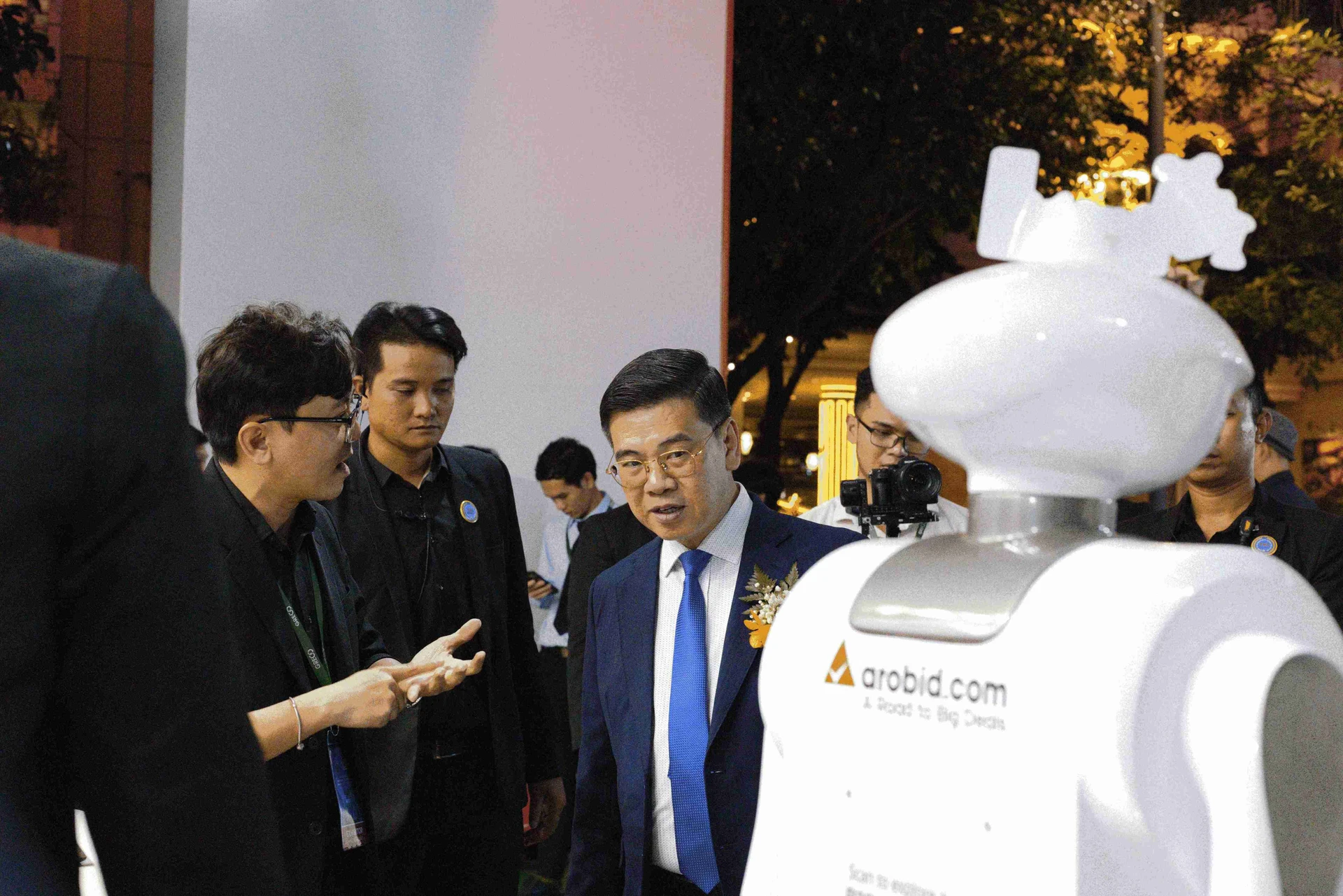
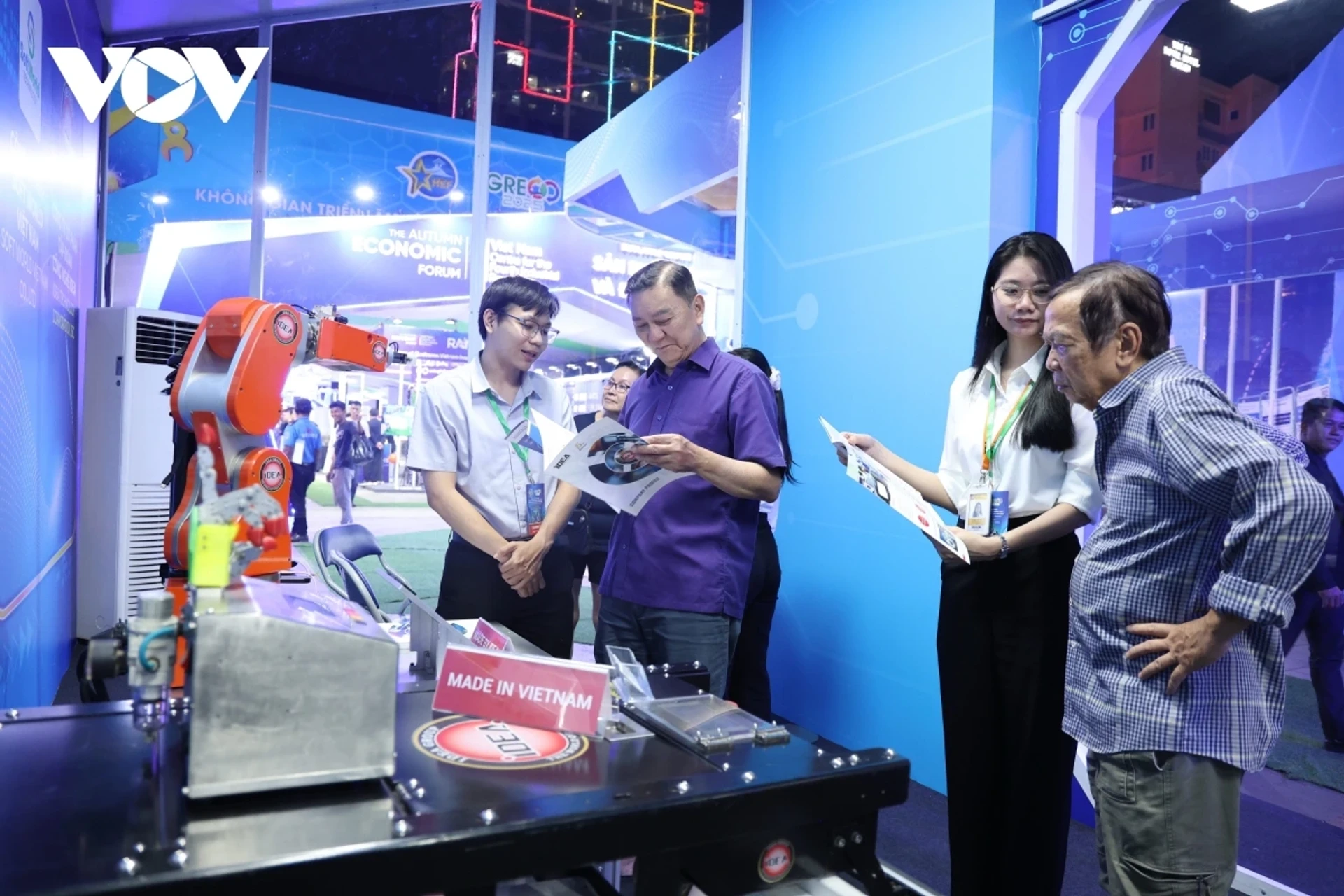
In the technology exhibition area at the forum, Mr. Nguyễn Văn Được, Chairman of the Ho Chi Minh City People’s Committee, spent time learning about the operational model of Arobid TradeXpo. City leaders evaluated the platform not only as a technological product but also as a practical trade promotion solution addressing three key issues: cost, time, and physical space.
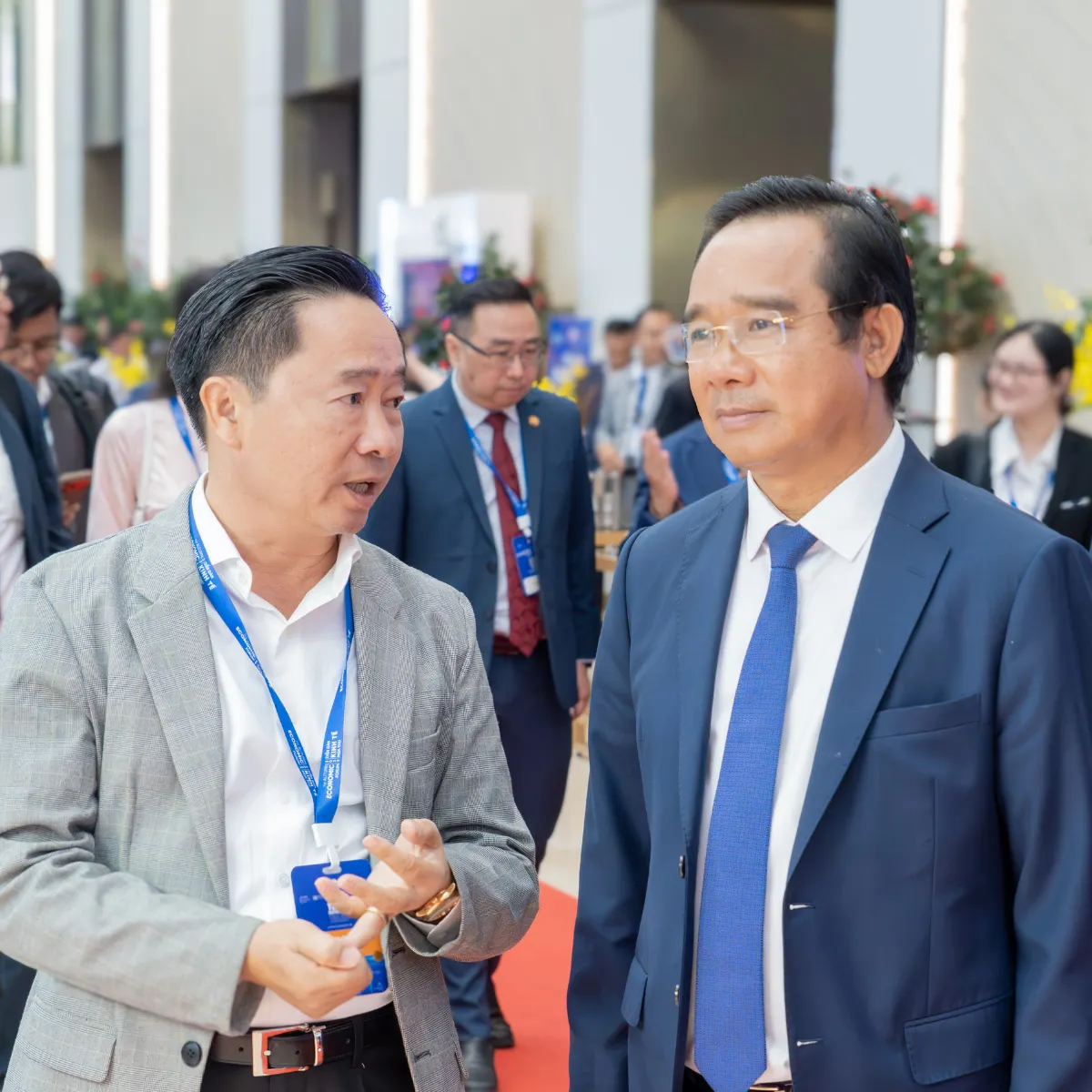
Mr. Nguyễn Văn Được stated: “Arobid TradeXpo will become a shared virtual exhibition platform for trade promotion organizations, helping reduce costs and quickly access the digital environment.” He also suggested that Arobid coordinate with the Investment and Trade Promotion Centre (ITPC) to implement the platform more widely for the business community.
At the event, Ms. Phan Thị Thắng – Deputy Minister of Industry and Trade, also visited the booth and recognized the digital exhibition model as a suitable direction aligned with Vietnam’s goals of promoting digital and green commerce.
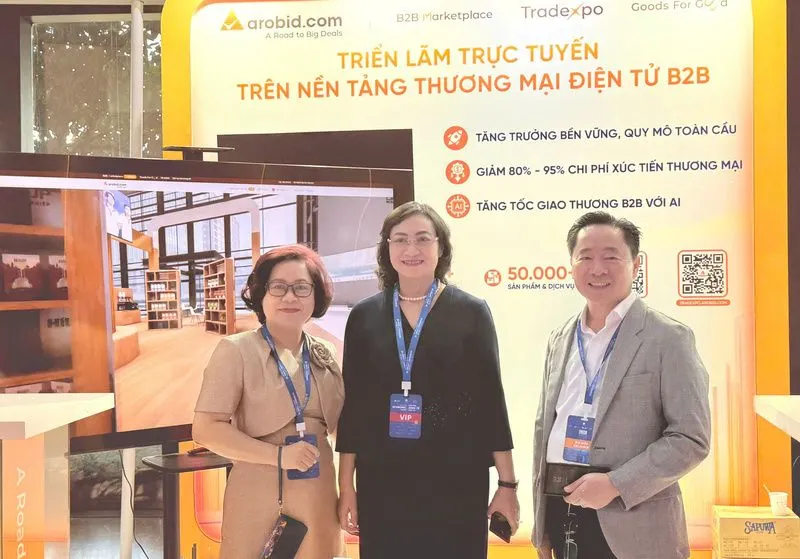
Promoting green commerce and meeting national digital transformation goals
Beyond economic benefits, TradeXpo also creates practical environmental value as the digital exhibition model significantly reduces the need for product transportation, minimizes business travel to physical fairs, and completely eliminates materials used to build physical booths. As a result, trade promotion activities become more sustainable, reduce emissions, and optimize resource usage for both businesses and society. These factors contribute to emission reduction targets, align with the Net-zero 2050 commitment, and meet green trade requirements in international agreements.
Arobid TradeXpo is also recognized as a tool supporting the implementation of Resolution 57 on the digital economy, Resolution 68 on private-sector development, and Decision 1968/QĐ-TTg, which requires that by 2030, 60% of Vietnam’s trade fairs and exhibitions be conducted in the digital environment. The platform also aims to support 5 million household businesses transitioning into enterprises, enhancing their capacity for digital commerce participation.
Policy recommendations and the goal of building a comprehensive B2B ecosystem
To accelerate digital transformation, Arobid proposes that the Government expand policies supporting 50% of trade promotion costs—currently applicable only to traditional fairs—to include virtual exhibitions. This would encourage businesses to transition more confidently while enabling the State to achieve digitalization goals without requiring significant infrastructure investment.
In the next phase, Arobid aims to develop a fully digitalized B2B commerce ecosystem that strengthens global connectivity for Vietnamese enterprises and gradually integrates “Make in Vietnam” products deeper into global value chains.
From a technology solution, Arobid TradeXpo has evolved into a symbol of a new, more efficient, flexible, and sustainable direction in trade promotion. As the digital economy plays an increasingly critical role, Arobid’s platforms not only support businesses participating in trade fairs but also open opportunities to access international markets through technology, data, and speed—instead of traditional cost-heavy methods.
Events