



 English
Regional Linkages and the Application of Digital Infrastructure in Trade Promotion
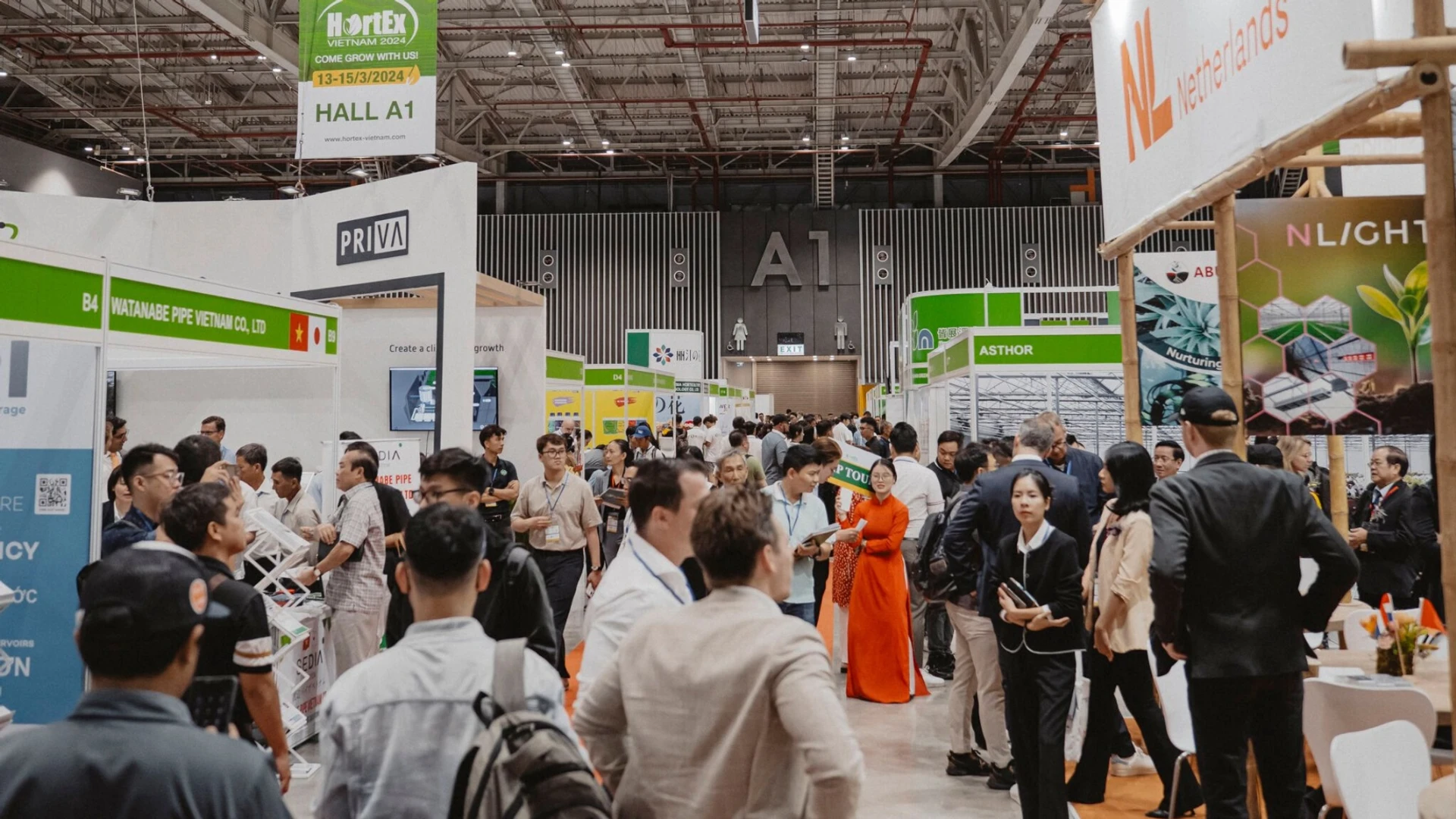
Traditional trade fairs typically last only three days, while businesses’ demand for market access exists 365 days a year. In reality, fragmented events disrupt the continuity of trade flows and result in billions of VND in opportunity costs the moment physical booths are dismantled.
In the digital economy era, trade promotion is undergoing a fundamental shift: from a model of “short-term events” to a model of “continuous data infrastructure.”
1. Business Ecosystems Operate Along Industry and Regional Axes
The global distribution of enterprises is not random. According to research by the OECD, business ecosystems are structured around two core axes:
- Industry Value Chains: Connecting the flow from raw materials to finished products.
- Regional Business Clusters: Geographic concentrations of supporting industries (e.g., textile clusters, food processing clusters, supporting industry hubs).
Understanding these two axes is key to optimizing trade promotion. Connections are no longer based on chance encounters, but on strategic alignment driven by data.
2. Trade Promotion in the 2026–2030 Period
For the 2026–2030 development phase, Vietnam’s trade promotion strategy is becoming more clearly defined: focusing on high-value industries and strengthening regional linkages.
- Industry-focused promotion:
- Prioritizing sectors with high added value such as agriculture, seafood, textiles, footwear, and supporting industries.
- Organizing specialized exhibitions and trade events to target the right buyers.
- Leveraging AI and digital platforms to identify partners and expand export markets. - Region-focused promotion:
- Enhancing regional connectivity to build integrated trade ecosystems rather than fragmented activities.
- Leveraging each locality’s unique strengths.
- Strengthening inter-provincial collaboration, especially extending connections to rural, mountainous, and border areas.
- Departments of Industry and Trade and local promotion centers act as coordinators, connecting enterprises in clusters rather than in isolation.
Notably, promotion methods are evolving through the integration of traditional channels (trade fairs, exhibitions) with digital platforms, forming large-scale, comprehensive trade promotion activities for the 2026–2030 period. This reflects a major shift—from diversifying activities to building long-term trade infrastructure.
3. A Data-Driven Trade Promotion Governance Model by Industry and Region
The digital infrastructure model focuses on building a “Trade Operating System” based on four core components:
- Data Standardization (Digital Trust): Enterprise profiles, certifications, and products are digitized in a unified structure. This acts as a “trade passport,” enabling businesses to pass the stringent evaluation filters of global buyers.
- Industry Layering (Industry-Specific Organization): Deep classification of enterprises along supply chains, allowing buyers to identify partners precisely based on technical criteria and production capabilities.
- Cluster Synergy: Industry associations and local authorities act as central nodes, consolidating collective strength to engage international markets in a systematic way.
- 24/7 Connectivity: Digital infrastructure removes time constraints, enabling continuous trade flows through online exhibitions operating year-round.
Within this data-driven model, businesses can promote their brands and showcase products/services 24/7 to international buyers, reduce costs associated with physical booths, shorten partner search cycles, and track opportunities in real time.
4. The Rise of the “Business Hub” Model in Vietnam
Built on data infrastructure, the concept of the Business Hub is emerging as an inevitable trend—centralized digital trade hubs where enterprise data and promotion activities are managed in an integrated manner.
Vietnam has already seen notable pioneering efforts:
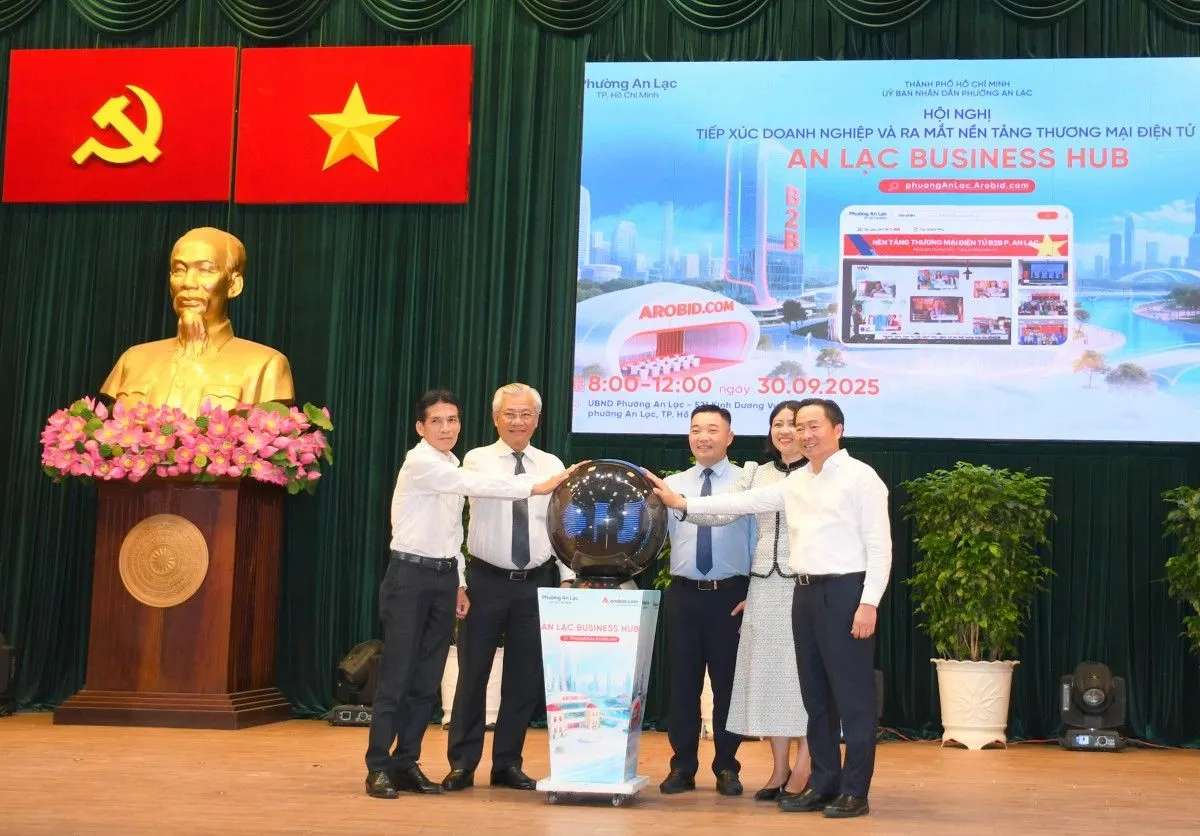
- An Lac Business Hub (2025): Launched by the People’s Committee of An Lac Ward (Binh Tan District, Ho Chi Minh City), this is the first local B2B model. Beyond a simple website, it serves as a gateway for grassroots enterprises to access global partner ecosystems, aligning with the government’s digital transformation roadmap.
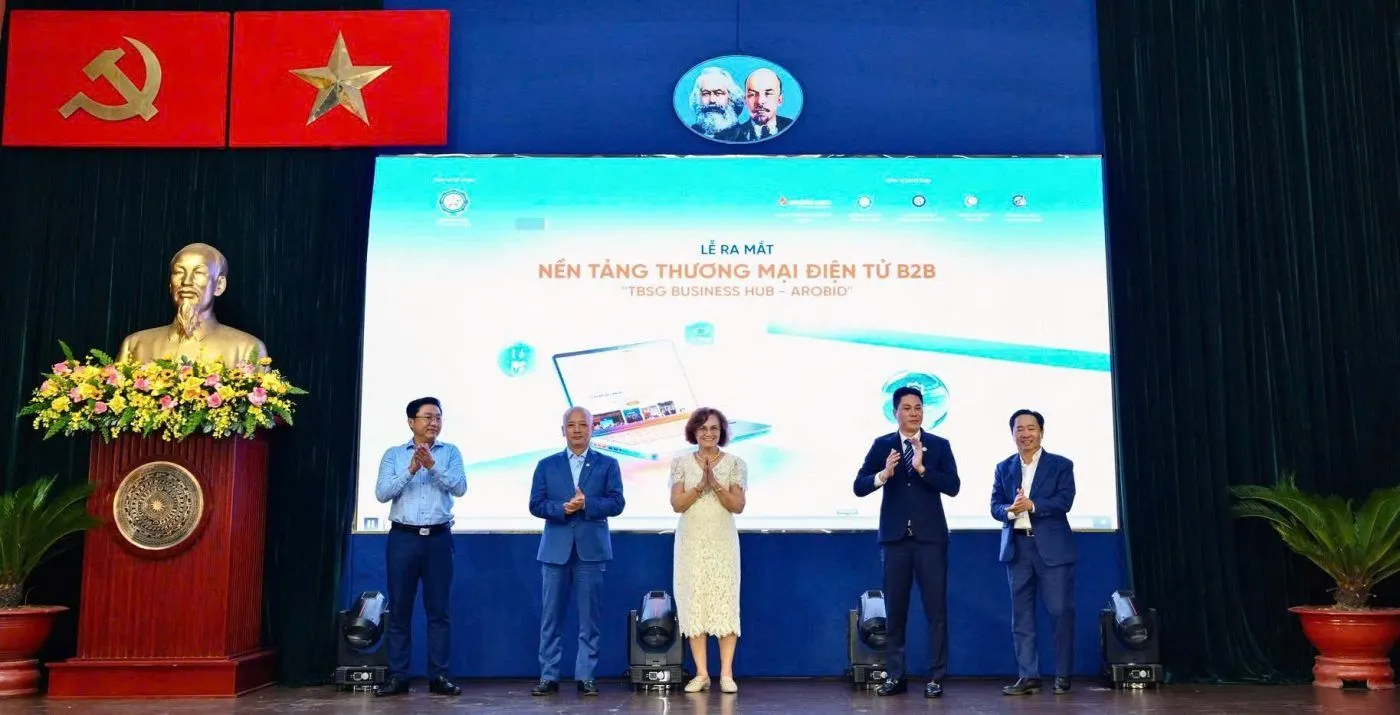
- TBSG Business Hub (2026): Introduced by the Northwest Saigon Business Association at the Vietnam SME Forum 2026, the platform attracted over 500 participating enterprises. Powered by Arobid V2.0, it demonstrates that when data is systematized, trade activity continues to thrive even after offline events conclude.
Conclusion: Operating Infrastructure, Not Just Attending Events
Trade promotion is rapidly shifting from an “event-based” model to an “infrastructure-based” model. The emergence of Business Hubs, powered by Arobid’s digital infrastructure, provides a concrete solution toward achieving the national target set in Decision 1968/QĐ-TTg: digitizing 60% of exhibitions by 2030.
Enterprises and promotion organizations must move beyond mere participation—they need to own data infrastructure to capture market signals, measure effectiveness, and build resilient supply chains in this new era of economic growth.
🚀 Are you ready to take control of your digital trade infrastructure?
Explore the roadmap of 120 specialized TradeXpo exhibitions and Arobid V2.0 solutions today at: arobid.com/tradexpo
AROBID – A Road to Big Deals
A digital infrastructure for trade promotion and investment, integrating B2B e-commerce, powered by data and AI.
Industry and market news
June 11, 2025

June 11, 2025

June 11, 2025

May 8, 2025
May 8, 2025
May 8, 2025


May 8, 2025