




Automatic Transfer Switch (ATS) 150A-4000A


Share



Brand
Schneider Electric
Auxiliary materials
steel and aluminum
Electric Phase
3-phase
Rated voltage
240V rated input voltage, Rated output voltage 400V
Weight
4 kg
Output Voltage
240V
Warranty period
Genuine
Rated frequency
50Hz
Component structure/main ingredient composition
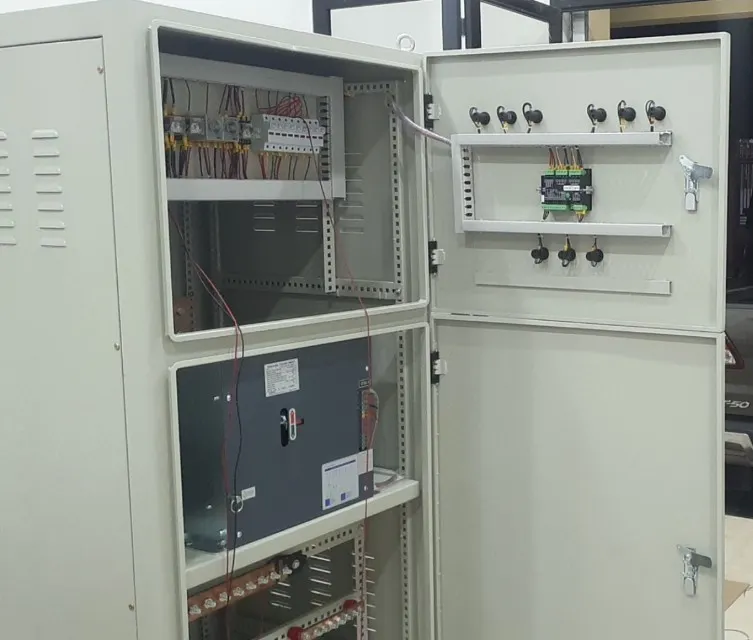
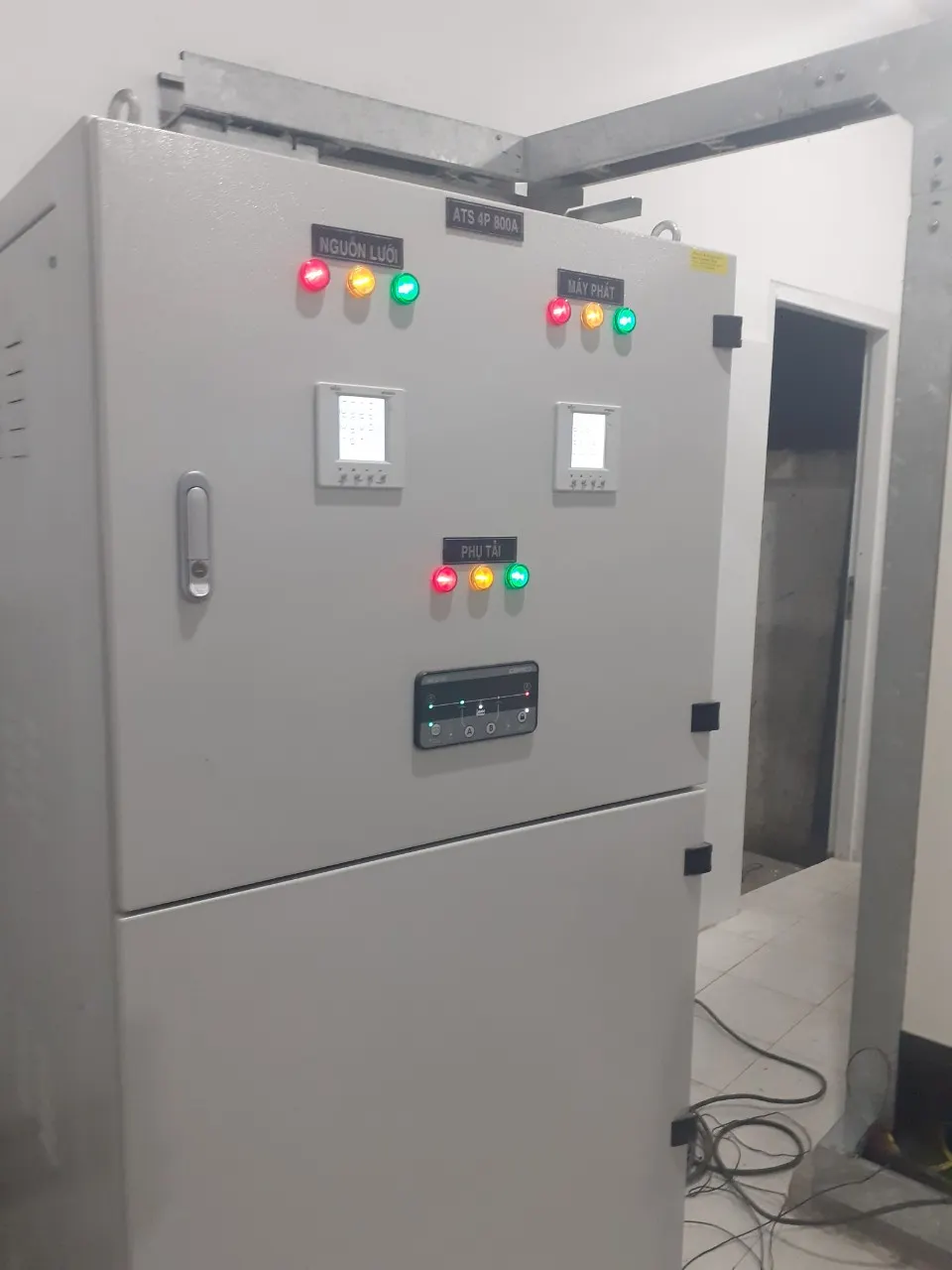
Cabinet Shell: Usually made of steel, powder coated, with the ability, Controller: Microprocessor, relays, circuits, Switching devices: Contactor, circuit breaker, automatic circuit breaker, Protection devices: Circuit breakers, fuses, relays, Display screen: Displays operating parameters, Indicator Light: Shows operating status, Connectors: Power, load, and signal connections
Main Ingredient Name
Automatic Transfer Switch (ATS) 150A-4000A
Rated current
150A to 4000A
Input Voltage
240V
Receive processing
No
Minimum Order Quantity (MOQ)
1 piece
Provide samples
No
Product Condition
100% New
Main Export Market
Brazil, Canada, Australia
Product Certificate
ISO 9001 - International Quality Management System
Packaging
Packaging type
piece
Packaging Detail
Step 1: Product inspection - Step 2: Paper wrapping - Step 3: Wrapping in nylon/PE bag - Step 4: Wrapping in bubble wrap (optional) - Step 5: Packing in carton - Step 7: Marking information
Packaging dimensions (length x width x height)
1 m x 1 m x 2 m
Packing weight
15 kg
B2B Sales Policy
Shipping and Delivery Policy of OMETCO Co., Ltd
1. Shipping Scope:
Domestic
International
2. Shipping Methods:
Road transport
Sea transport
3. Delivery Time:
Delivery time
Order processing time
Receiving time
4. Shipping Costs:
Shipping fee calculation:
Free shipping policy
5. Delivery Process:
Delivery notification
Goods inspection
Delivery receipt signature
Complaint resolution
Refund policy of OMETCO Co., Ltd:
· Product/goods errors
· Service errors
· Project errors
Payment Policy of OMETCO Co., Ltd:
· Bank transfer (T/T)
· Cash
· Check
· Online payment
· Letter of credit (L/C)
· Documentary collection (D/P)
Detailed description
1. Functions of the Automatic Transfer Switch (ATS):
Ensuring continuous power supply:
When the main power source (grid power) encounters a problem (power outage, voltage drop, overvoltage, unstable frequency), the ATS will automatically switch to a backup power source (generator or other power source) in a very short time.
This ensures that critical loads continue to be supplied with electricity, avoiding operational interruptions.
Automatic power transfer:
The ATS operates fully automatically without human intervention.
When the main power source returns to normal, the ATS will automatically switch back to the main source.
Equipment protection:
ATs are usually integrated with protective devices to ensure the safety of both the power system and electrical equipment.
Protective functions typically include: overload protection, short-circuit protection, overvoltage protection, undervoltage protection.
Increased reliability:
The ATS increases the reliability of the power system, ensuring that critical operations are not interrupted by power outages.
Especially important for applications such as: data centers, hospitals, manufacturing plants, high-rise buildings, etc.
Energy management:
The ATS can be combined with energy management systems to optimize electricity use.
Appropriate power sources can be selected to minimize electricity costs.
2. How to Use the Automatic Transfer Switch (ATS):
Installation:
Install the ATS in a dry, cool, and easily maintainable and inspectable location.
Ensure that the ATS is properly grounded for safety.
Select switching and protective devices appropriate for the rated current of the switchgear.
Wiring:
Connect the main power source to the main power input terminals.
Connect the backup power source to the backup power input terminals.
Connect the loads to the output terminals of the ATS.
Thoroughly check all electrical connections before energizing.
Parameter setting:
Set parameters such as voltage, frequency, switching time, and protection thresholds.
Adjust these parameters to suit the system requirements.
Buttons on the switchgear or software can be used for setting.
Operation:
Power the ATS.
Test the ATS operation by simulating a power failure.
Monitor indicator lights and display parameters to understand the operating status.
The ATS can be operated in automatic or manual mode.
Maintenance:
Periodically check switching devices, connectors, and internal components.
Clean the ATS to ensure stable operation.
Replace damaged components.
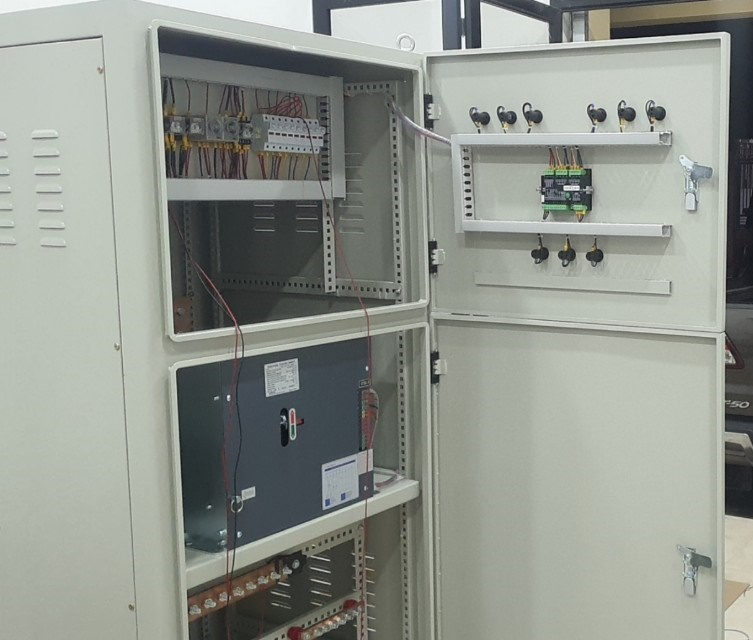
3. Basic structure of ATS:
Cabinet: Usually made of steel, powder coated, with impact resistance and rust resistance.
Controller: Microprocessor, relays, electronic circuits.
Switching devices: Contactors, circuit breakers, circuit breakers.
Protective devices: Circuit breakers, fuses, protective relays.
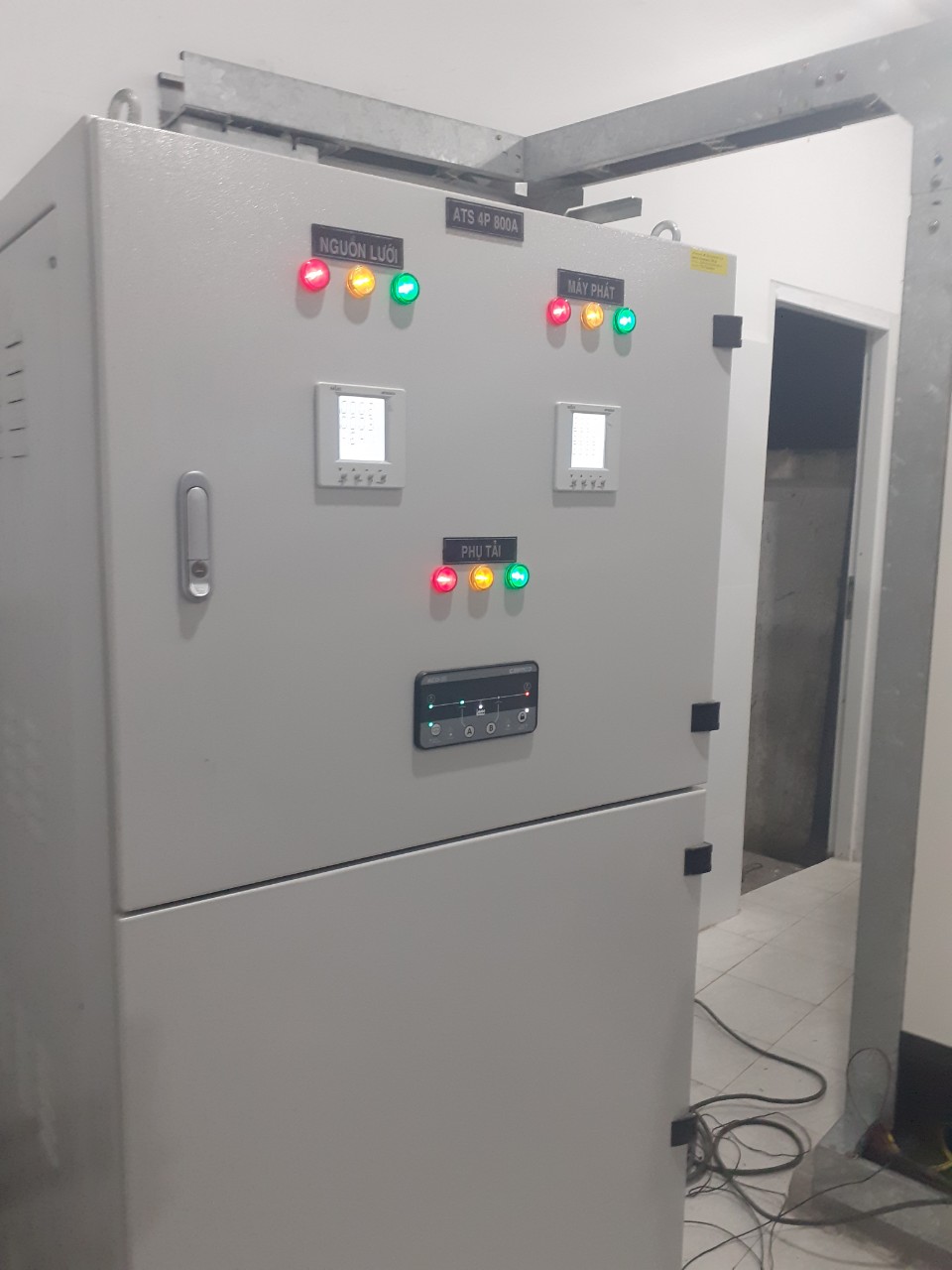
Display: Displays operating parameters.
Indicator lights: Indicate operating status.
Connectors: Connect power, load, and control signals.
Other accessories: Push buttons, wires, cable trays, etc.
4. Common types of ATS:
Contactor ATS: Switching with contactors.
ACB (Air Circuit Breaker) ATS: Switching with ACB.
MCCB (Molded Case Circuit Breaker) ATS: Switching with MCCB.
ATS with manual control mode: Allows users to switch manually if necessary.
ATS with fully automatic control mode: Fully automatic switching, without human intervention.
5. Notes when using:
Select suitable ATS: Select an ATS with a rated current suitable for the total power of the loads.
Follow instructions: Carefully read the manufacturer's instructions.
Electrical safety: Ensure electrical safety during installation, operation, and maintenance.
Regular inspection: Regularly check the operation of the ATS to detect and promptly handle any problems.
Regular maintenance: Regular maintenance to ensure the ATS operates stably and durably.
Technology - Production Process
1. Design and Preparation
2. Component Production
3. Assembly
4. Testing
5. Finishing
6. Shipping


Can't find the product you're looking for??
Share your needs with suppliers and receive direct quotes using Arobid RFQ!
