




Son Ha SHK Iron


(0 Ratings)
Share



Brand
SONHA
Grade / Type / Style
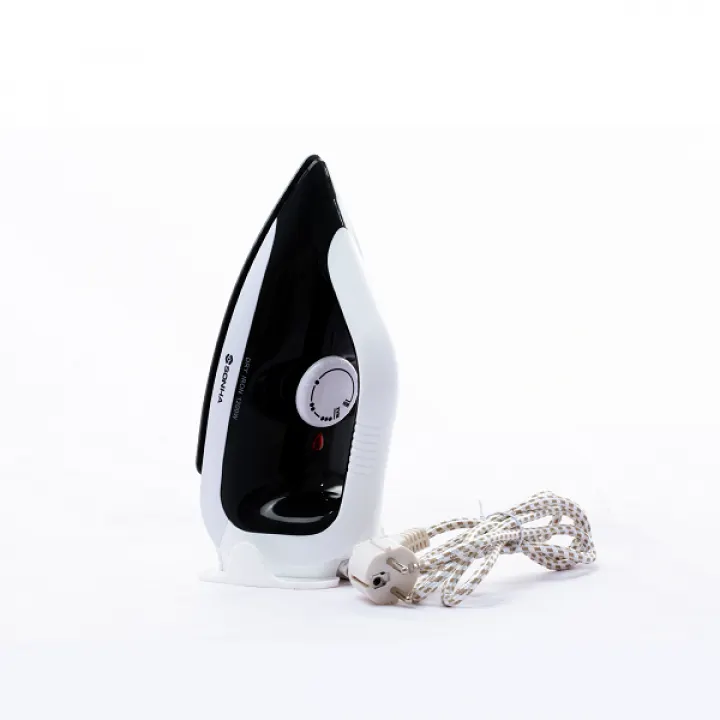
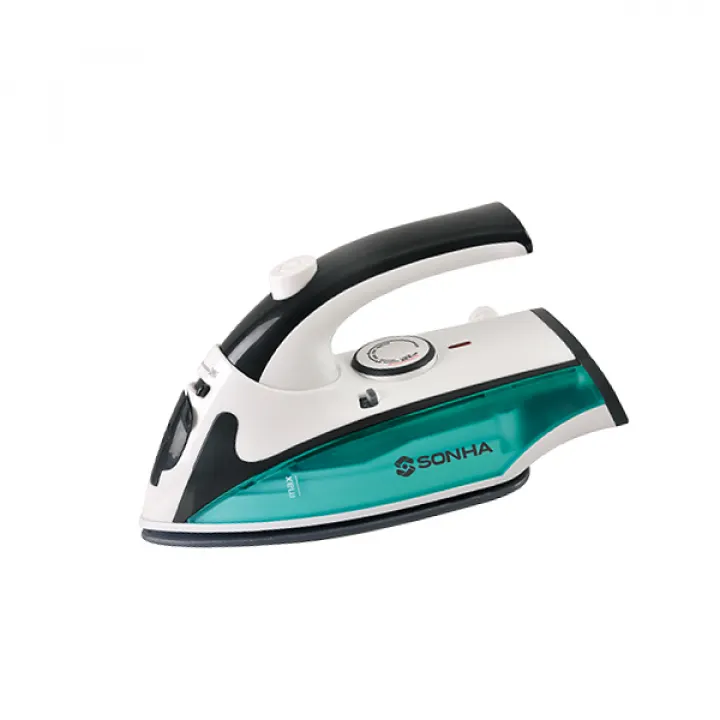
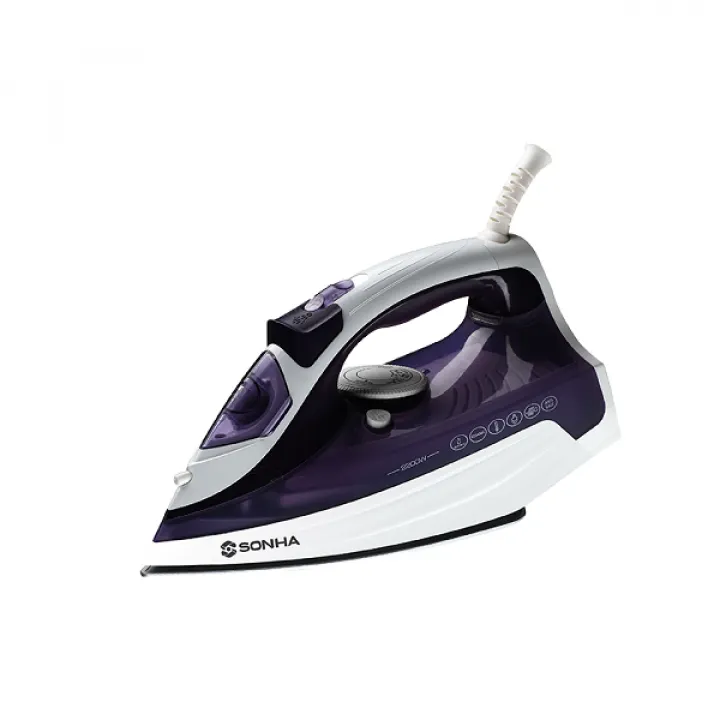
Son Ha SHK-2111 Iron, Son Ha SHK-2112 Iron, Son Ha SHK-2113 Iron
Receive processing
No
Minimum Order Quantity (MOQ)
100 piece
Provide samples
No
Product Condition
100% New
Main Export Market
Vietnam, South Korea, Singapore, China
Product Certificate
ISO 9001 - International Quality Management System
Packaging
Packaging type
Piece
Packaging Detail
Standard
B2B Sales Policy
Agreement
Agreement
Agreement
Agreement
Detailed description
1. What is an iron? Common types of irons
An iron is a household electrical appliance designed to flatten clothes by applying high temperatures and pressure to the fabric surface. This device has become a powerful tool in maintaining the neat and tidy appearance of everyday clothing.
The operating principle of an iron is based on the use of thermal energy from the heating elements inside the base plate. When the temperature is evenly distributed across the entire contact surface, the fabric fiber structure will be recreated, thereby removing wrinkles and making clothes smoother.
One of the outstanding advantages of modern irons is the flexibility in adjusting the temperature. This feature allows users to safely handle different types of fabrics, from delicate materials such as silk and voile to thick fabrics such as denim and canvas, without worrying about damaging or deforming the product.
Currently on the market, irons are classified into two main groups: dry irons and steam irons. Each type has its own characteristics and applications, suitable for the specific needs of each family.
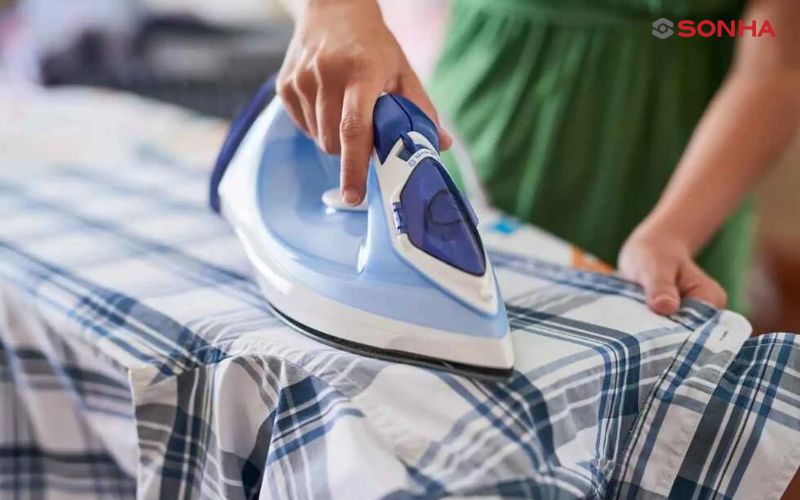
You should choose the right iron according to the type of fabric and usage needs
2. Criteria for choosing the right iron
Choosing a suitable iron requires careful consideration of many different factors. From personal usage needs to the technical characteristics of the product, each criterion plays an important role in ensuring the effectiveness and lifespan of the device.
2.1. Usage needs and commonly used fabrics
The daily workload is the first factor to consider when choosing an iron. For families who need to handle a large volume of clothing, especially those with thick fabrics, choosing an iron with high power and good steam generation will help optimize time and effort. Conversely, households with limited usage needs can consider irons with moderate power to ensure economic efficiency.
The characteristics of the fabrics also directly affect the choice of iron. For thin materials like silk, lace, and voile, a steam iron with low temperature adjustment or a dry iron with a non-stick soleplate will be the optimal choice to protect the fabric from burning or glossiness.
Meanwhile, thick fabrics such as jeans, khaki, and linen require a steam iron with high power and strong steam spray to effectively handle stubborn wrinkles. In particular, for highly elastic fabrics such as wool and fleece, using a low-temperature iron and indirect ironing techniques using a lining will help protect the inherent properties of the product.
2.2. Power and heating capability
Power and heating capability are two important technical parameters that determine the operating efficiency of the iron. The relationship between high power and fast heating speed results in better ironing efficiency, but it can also lead to higher energy consumption. Therefore, choosing an iron with power suitable for usage needs and the household's power supply is essential.
Irons with low power (below 1500W) are usually suitable for limited usage needs, handling thin and light fabrics, or in situations where the device needs to be moved frequently. This type saves energy but may take longer to reach the desired temperature.
Irons with medium power (1500W – 2000W) are considered the most suitable for most households. This power level provides an optimal balance between usability and energy consumption, well meeting daily usage needs.
Meanwhile, irons with high power (over 2000W) are mainly designed for commercial laundry businesses or families who need to handle a large volume of thick clothes such as jeans and bed sheets.
The heating capability is evaluated through the time required to reach the operating temperature and the ability to maintain a stable temperature. Irons with high power will shorten the preparation time, contributing to saving overall time. The flexible temperature adjustment feature optimizes the efficiency of handling different types of fabrics, while preventing burning or fabric damage.
2.3. Iron soleplate material
The soleplate material is one of the factors that directly determines the quality of use and the lifespan of the iron. Common soleplate materials currently include aluminum alloy, Ceramic, and non-stick soleplates such as Teflon and Glissium.
Each type of soleplate material has its own advantages and disadvantages, affecting the ability to slide on fabric, durability, non-stick properties, and the efficiency of flattening clothes. The appropriate choice will depend on the specific usage needs and budget of the consumer.
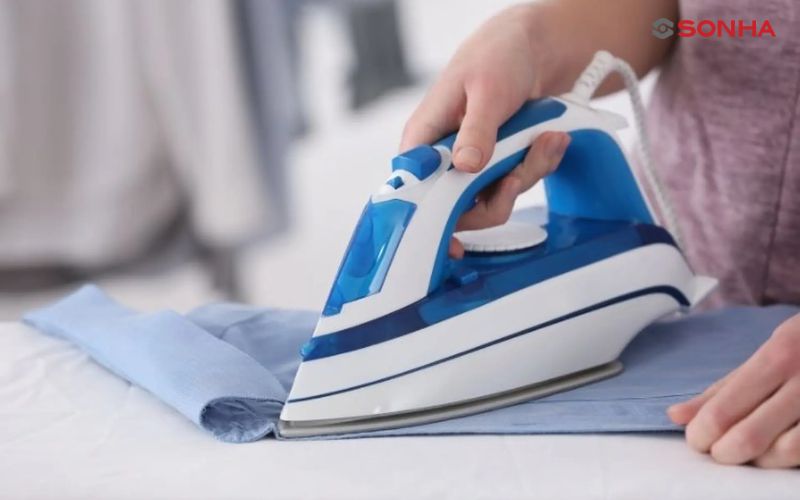
Each type of soleplate material has its advantages


Can't find the product you're looking for??
Share your needs with suppliers and receive direct quotes using Arobid RFQ!
